7 Warning Signs Your ADAS System Needs Recalibration
Quick Summary
Common signs your ADAS system needs recalibration include a dashboard warning light that stays on, a camera obstruction message, and lane-keeping that pulls toward one side. Other clues are adaptive cruise control with the wrong following distance and emergency braking that activates for no reason. Events such as windshield replacement, collisions, and alignment work also call for a check even without symptoms.
- A warning light or message means the system has detected a problem and should not be ignored.
- Clean the windshield and sensor area first, then inspect if the warning remains.
- Windshield replacement, collisions, alignment work, and suspension work usually require a calibration check.
- Ask the shop for a calibration report showing the procedure performed and whether the system passed.
Table of Contents
- 7 Warning Signs Your ADAS System Needs Recalibration
- What ADAS Calibration Means and Why Sensors Drift
- Signs Your ADAS System Needs Recalibration Right Now
- Events That Require Calibration Even Without Symptoms
- Is ADAS Calibration Necessary After Windshield Replacement?
- Does Insurance Cover Windshield Recalibration?
- How Long ADAS Calibration Takes and What Affects It
- Book Your ADAS Assessment with Auto Glass Leaders
- Frequently Asked Questions
7 Warning Signs Your ADAS System Needs Recalibration
Last Updated: November 11, 2026
What ADAS Calibration Means and Why Sensors Drift
Drivers often ask how they can tell when their driver assistance systems have stopped working correctly. Advanced driver assistance systems, or ADAS, rely on cameras and radar sensors to watch the road.
Sensors drift for simple reasons. A small bump, a windshield swap, a minor collision, or even a heavy load in the trunk can shift a camera by a fraction of a degree.
Watch out: a sensor can be misaligned even when the car feels normal to drive.
Signs Your ADAS System Needs Recalibration Right Now
Most drivers notice a problem first on the dashboard or in how the car steers and brakes. The list below covers the most common warning signs. If you see any of them, have the system checked.
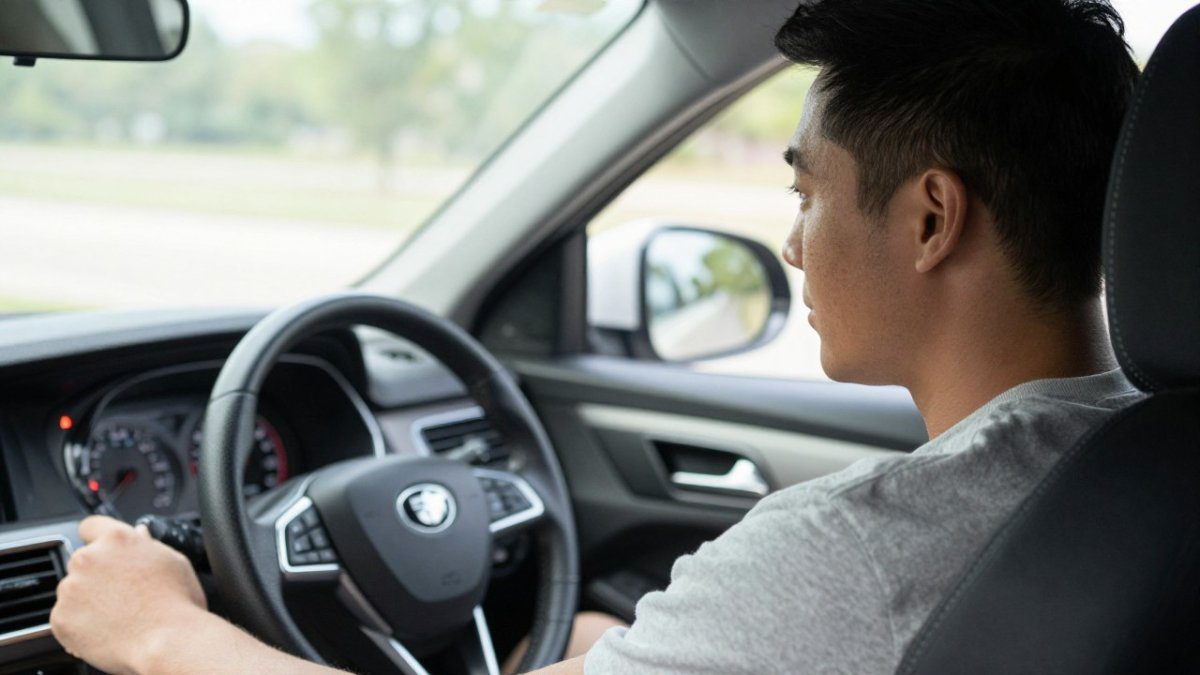
- A dashboard warning light for a driver assistance system stays on or flashes.
- A message such as “Camera Obstructed” or “Lane Assist Unavailable” appears.
- Lane-keeping assist pulls the car toward one side or ignores lane lines.
- Adaptive cruise control keeps too much or too little following distance.
- Automatic emergency braking brakes for no visible reason or fails to respond.
- Blind-spot monitoring gives false alerts or stops working.
- Parking assistance sensors read incorrectly or stop reporting.
That list is a starting point, not a diagnosis. A system can be misaligned and still pass its own self-checks, because the vehicle often cannot tell the difference between a sensor that is aimed correctly and one that is aimed slightly off but still reading the road. Symptoms tell you to get the vehicle assessed; they do not tell you what is wrong.
What Abnormal Behavior Looks Like, System by System
Lane-keeping and lane-departure warning. A healthy system holds the lane center on a straight, well-marked road and warns only when you actually drift.
Adaptive cruise control. Normal behavior is smooth following distance that adjusts as the car ahead speeds up or slows down.
Automatic emergency braking and forward collision warning. These should stay silent in normal driving and intervene only when a collision risk is real.
Blind-spot monitoring. Expect a warning only when a vehicle is actually in the blind zone.
Parking and low-speed assistance. Sensors should report consistent distances and stay quiet when nothing is behind the vehicle.
Dashboard Warning Lights and System Alerts
A warning light or message is the clearest sign that the system has detected a problem. Do not clear it and assume it went away. A light can come on after a windshield replacement, a fender bender, or a wheel alignment, and it often means the sensors are no longer aimed correctly.
Many drivers also see a warning after a pothole hit or a car wash, when a sensor is temporarily blocked by dirt, ice, or a sticker. Clean the windshield and sensor area first. If the message stays on after cleaning, schedule an inspection.
Lane-Keeping and Adaptive Cruise Control Behavior
Changes in how the car drives are often the first hint of a calibration problem. Watch for these patterns:
- The car drifts toward one lane line on a straight, flat road.
- Lane-keeping steering feels jerky or pushes you back and forth.
- Adaptive cruise control brakes too late or too hard when a car ahead slows.
- The system stops detecting vehicles in front of you on clear days.
If you notice these changes after a repair, tell the shop right away. A misaligned camera can cause the system to act on the wrong information. Keep a short note of when the behavior started and what work, if any, the vehicle had just received; that history helps a technician decide whether a calibration check is warranted.
Most drivers notice a problem first on the dashboard or in how the car steers and brakes. The table below lists the common warning signs and what each one usually points to.
| Warning sign | What it often means | What to do |
|---|---|---|
| Dashboard warning light stays on or flashes | System has detected a problem | Clean sensor area, then inspect if it stays on |
| “Camera Obstructed” or “Lane Assist Unavailable” message | Sensor blocked or misaligned | Clean windshield and sensor, then schedule inspection |
| Lane-keeping pulls toward one side | Camera misaimed | Note when it started and tell the shop |
| Adaptive cruise keeps wrong following distance | Radar or camera misaligned | Have the system checked |
| Emergency braking brakes for no reason | Sensor reading the world incorrectly | Have the system checked |
| Blind-spot alerts on empty lane | Radar or camera needs checking | Check rear bumper damage and inspect |
| Parking sensors read incorrectly | Blocked or misaimed sensor | Clean sensors, then inspect if issue persists |
Events That Require Calibration Even Without Symptoms
Some events call for calibration whether or not a warning appears. A sensor can be off by a small amount that the system does not flag, yet still affect performance. This is the part of the topic drivers most often get wrong: they wait for a light, and the light never comes.
These events usually require a check:
- Windshield replacement, especially where the camera is mounted on the glass
- A collision, including a minor fender bender that involved the front or rear bumper
- Suspension, steering, or wheel alignment work
- Replacement of a radar sensor or camera
- Major bodywork near a sensor mounting point
A check after any of these events is a sensible precaution, even if the car seems fine. Waiting until a problem shows up can make the fault harder to find.
Why Each Event Moves the Sensor
The reason to calibrate is mechanical, not cosmetic. A forward-facing camera sits behind the windshield and is aimed at a specific point down the road. Replace the glass and the new pane can sit at a slightly different angle or thickness, which shifts where the camera is looking. A wheel alignment changes the thrust angle of the vehicle, and a camera or radar that was aimed relative to the old geometry is now aimed relative to the new one.
That is why a vehicle can drive straight and feel normal while a safety system is quietly reading the road wrong. The driver senses nothing; the sensor sees everything slightly off.
Symptoms Versus Events: Two Different Triggers
It helps to separate the two reasons a vehicle needs calibration. Symptom-based clues are what you notice: a warning light, a pull to one side, a false brake alert. Event-based triggers are what happened to the vehicle: glass, collision, alignment, suspension, or sensor work. A symptom tells you something may be wrong now. An event tells you the geometry changed, whether or not a symptom has appeared yet. The safest rule is that an event triggers a calibration check even when the car behaves perfectly.
How to Confirm the Work Was Done and Recorded
Calibration is not finished when the technician says it is. Ask for the calibration report or scan printout, which typically shows the procedure performed, the targets or drive cycle used, and whether the system passed. Ask these questions before you pay:
- Was a pre-repair scan and a post-repair scan performed?
- Was the calibration static, dynamic, or both, and why was that method chosen?
- Did every affected system pass, or were any codes left unresolved?
- Will the report be attached to my repair record and available for my insurer?
Keep the report with your vehicle records. If a warning returns later, the report shows what was already checked and gives the next shop a baseline. A shop that cannot produce a calibration report is a reason to ask more questions before the vehicle leaves.
Watch out: a calibration that passes on the day can still be invalidated by later suspension or alignment work, so tell any shop about prior calibration when new repairs are done.
Is ADAS Calibration Necessary After Windshield Replacement?
Yes, in most vehicles with a windshield-mounted camera, ADAS calibration is needed after the glass is replaced. If your glass needs replacing too, you can request a professional car glass replacement quote. The camera sits behind the windshield, and a new pane can sit at a slightly different angle or thickness.
Skipping calibration is a common mistake. If you are considering a new pane, you can review windshield installation in Decatur, GA before booking. The windshield may look perfect, and the car may drive normally at first. Yet lane-keeping and emergency braking may not work as designed.
Does Insurance Cover Windshield Recalibration?
Coverage varies by policy and by state, so check with your insurer before you book work. Many comprehensive auto policies cover windshield replacement, and some insurers treat the required calibration as part of that claim. Others may handle it differently or require you to pay a separate charge.
Ask your insurer these questions:
- Does my comprehensive coverage include windshield replacement with ADAS calibration?
- Is there a deductible for glass claims?
- Do I need to use a specific shop or network provider?
- Will the insurer pay for a separate calibration visit if one is needed?
Get the answers in writing.
How Long ADAS Calibration Takes and What Affects It
Calibration time depends on the vehicle and the method used. Some systems require a static calibration, done in a controlled setup with targets placed at measured distances. Others use a dynamic calibration, which involves a set drive on marked roads at specific speeds. Some vehicles need both.
Several factors change how long the work takes:
- The make and model, since each manufacturer has its own procedure
- Whether the job is static, dynamic, or both
- The number of sensors that need adjustment
- The condition of the road or the space needed for targets
- Whether a pre-repair or post-repair scan finds additional faults
A simple job can take under an hour, while a complex one may take several hours. Ask the shop for an estimate before you agree to the work.
Book Your ADAS Assessment with Auto Glass Leaders
If one of these warning signs has appeared, or you have had a windshield replacement, collision repair, or alignment work, get your driver assistance systems checked soon. Auto Glass Leaders offers windshield recalibration, mobile services, and minor repair work in Decatur and nearby areas. Contact Auto Glass Leaders to get your safety systems back to working as designed.
Frequently Asked Questions
How much does it cost to calibrate an ADAS system?
Costs vary by vehicle make, the number of sensors involved, and whether the calibration is static, dynamic, or both. Pricing depends on the specific vehicle and service required, so the most accurate figure comes from a written quote after your vehicle is assessed. For current pricing or a quote, contact Auto Glass Leaders directly.
Can I drive my car if the ADAS warning light is on?
A warning light means the system may be disabled or working with reduced accuracy, so treat it as a safety issue rather than a cosmetic one. Many vehicles will still drive normally, but features like lane-keeping assist, adaptive cruise control, or automatic emergency braking may not respond as expected. Drive with extra caution, avoid relying on the disabled features, and have the vehicle assessed promptly to find out whether the cause is a calibration problem, a sensor obstruction, or a fault.
What happens if I skip ADAS recalibration after a windshield replacement?
The forward-facing camera mounted behind the windshield often controls lane departure warning, automatic emergency braking, and adaptive cruise control. If it is not aimed correctly after the glass is replaced, these systems can read lane lines, vehicles, or distances inaccurately. The problem may not be obvious at first, which is why a post-repair scan and calibration check is worth doing even when no warning light appears.
Can I do ADAS calibration myself?
Most ADAS calibration requires manufacturer-specified targets, a level workspace, precise measurements, and diagnostic equipment to confirm the result. Some procedures require a scan tool and a road test under defined conditions. Attempting it without these tools can leave the system miscalibrated while the dashboard shows no error.
